
การแนะนำ
หากคุณเคยโทรติดต่อสายด่วนบริการลูกค้า จองนัดพบแพทย์ หรือส่งคืนพัสดุ มีโอกาสสูงที่คุณจะกดหมายเลข 1-866
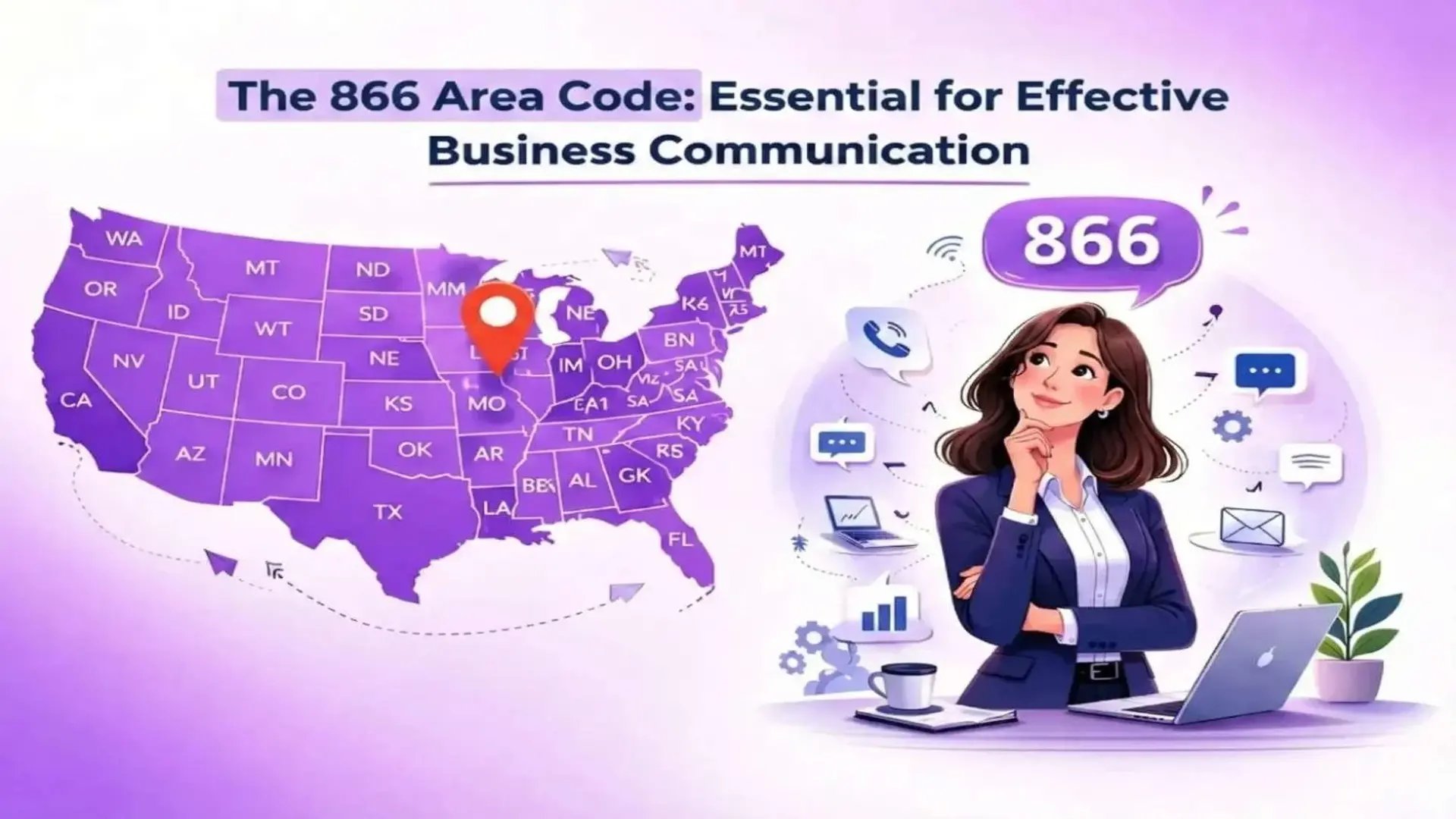
รหัสพื้นที่ 866 เป็นหนึ่งในเจ็ดรหัสนำหน้าโทรฟรีที่ได้รับการยอมรับทั่วทั้งสหรัฐอเมริกา แคนาดา และประเทศแถบแคริบเบียนส่วนใหญ่ และรหัสนี้ทำงานแตกต่างจากรหัสพื้นที่ทางภูมิศาสตร์ปกติเล็กน้อย
คู่มือนี้ครอบคลุมถึงความหมายของคำนำหน้า 866 จริงๆ การกำหนดเส้นทางโทรฟรีทำงานอย่างไร เหตุใดนักต้มตุ๋นจึงหันไปหาหมายเลขโทรฟรี และวิธีที่ธุรกิจสามารถรับหมายเลข 866 ที่น่าจดจำได้
รายละเอียดทางเทคนิคและประวัติด้านล่างมาจากผู้ดูแลแผนการกำหนดหมายเลขอเมริกาเหนือ (NANPA) และบันทึกการกำหนดกฎของ FCC
รหัสพื้นที่ 866 คืออะไร?
866 อยู่ในหมวดหมู่ของตัวเอง: รหัสโทรฟรีโดยไม่มีเมือง รัฐ หรือจังหวัดอยู่เบื้องหลัง
ผู้โทรที่กดหมายเลข 1-866 จะไม่ต้องจ่ายอะไรเลยในการโทร ธุรกิจที่เป็นเจ้าของสายจะรับผิดชอบค่าใช้จ่ายขาเข้าต่อนาทีผ่านผู้ให้บริการโทรคมนาคมแทน รหัสโทรฟรีทุกรหัส 866 มีรูปแบบการโทรเดียวกันทั่วอเมริกาเหนือ:
- สหรัฐอเมริกา — ทั้งหมด 50 รัฐ รวมดินแดนด้วย
- แคนาดา — ทั้งหมด 10 จังหวัด และ 3 ดินแดน
- เบอร์มิวดา ตรินิแดดและโตเบโก บาร์เบโดส บาฮามาส สาธารณรัฐโดมินิกัน จาเมกา และสมาชิก NANP แถบแคริบเบียนส่วนใหญ่
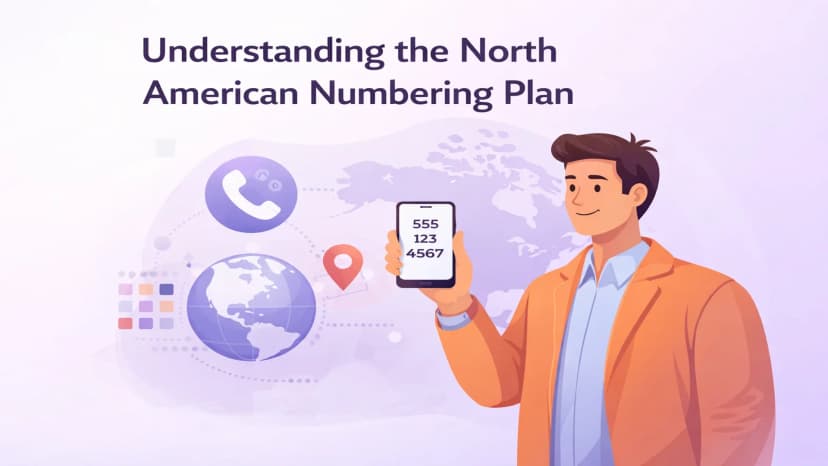
เนื่องจากรูปแบบการโทรนั้นใช้ร่วมกันใน North American Numbering Plan (NANP) หมายเลข 866 จะดังเหมือนกันไม่ว่าผู้โทรจะอยู่ข้างๆ หรืออยู่นอกเขตเวลาสามโซน โดยไม่คิดค่าบริการทางไกล ไม่มีค่าธรรมเนียมโรมมิ่ง
และไม่มีรหัสประเทศให้โทรจากภายใน NANP
ประโยชน์หลักของการใช้หมายเลขโทรศัพท์ 866
หมายเลข 866 ขจัดค่าใช้จ่ายซึ่งเป็นเหตุผลที่จะไม่โทร ซึ่งช่วยเพิ่มความถี่ที่ลูกค้ารับโทรศัพท์จริงๆ ได้อย่างวัดผล แทนที่จะเลิกส่งอีเมลหรือแบบฟอร์มการติดต่อ
นอกจากนี้ยังถือว่ามีการตั้งค่าแบบมืออาชีพที่เป็นที่ยอมรับมากกว่าหมายเลขโทรศัพท์มือถือในพื้นที่ ซึ่งมีความสำคัญสำหรับธุรกิจที่ยังคงสร้างชื่อเสียง
กำลังมองหาหมายเลขโทรฟรีที่เชื่อถือได้อยู่ใช่ไหม? เรียนรู้เพิ่มเติมเกี่ยวกับเรา ตัวเลือกหมายเลขโทรฟรีของสหรัฐอเมริกา.
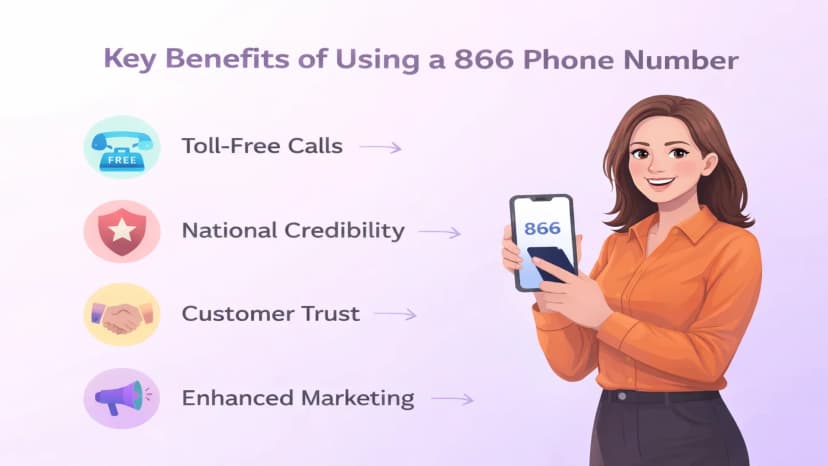
หมายเลข 866 เพียงหมายเลขเดียวช่วยให้ธุรกิจดำเนินการได้จากทุกที่ ในขณะเดียวกันก็รักษาจุดติดต่อที่สอดคล้องกันสำหรับลูกค้าทุกราย ไม่ว่าพวกเขาจะโทรจากรัฐหรือโซนเวลาใดก็ตาม
ซึ่งช่วยขจัดความจำเป็นในการแบ่งแยกหมายเลขภูมิภาคในขณะที่ธุรกิจเติบโตสู่ตลาดใหม่
สำหรับ ศูนย์บริการ โดยเฉพาะการกำหนดเส้นทางโทรฟรีจะส่งการโทรแต่ละครั้งตรงไปยังทีมหรือตัวแทนที่เหมาะสมตามความต้องการของผู้โทรก่อนที่ใครจะรับสาย การจับคู่กับเครื่องมือ CRM เช่น Ringflow หมายความว่าตัวแทนจะเห็นประวัติลูกค้าที่เกี่ยวข้องทันทีที่มีการเชื่อมต่อสาย
ข้อพิจารณาเกี่ยวกับความครอบคลุมทางภูมิศาสตร์และเขตเวลา
คำนำหน้า 866 ครอบคลุมทั่วทั้งสหรัฐอเมริกา ตั้งแต่อะแลสกาและฮาวายไปจนถึงแผ่นดินใหญ่ รวมถึงแคนาดาและสมาชิก NANP ในแคริบเบียนส่วนใหญ่ เนื่องจากไม่ได้ปักหมุดไว้ที่รัฐหรือเขตเวลาใดเลย
การเข้าถึงดังกล่าวเป็นสาเหตุว่าทำไมการตั้งเวลาทำการจึงต้องใช้การวางแผนมากกว่าการใช้หมายเลขท้องถิ่นเพียงอย่างเดียว
การโทรสามารถมาถึงจากโซนเวลาทวีปใดก็ได้จากสี่โซนพร้อมกัน ดังนั้นธุรกิจส่วนใหญ่จึงจัดกำหนดการและกำหนดเส้นทาง IVR นอกเขตเวลาตะวันออกเป็นจุดอ้างอิง โดยมีกฎโอเวอร์โฟลว์สำหรับการโทรนอกเวลาทำการจากผู้โทรในแปซิฟิกหรือบนภูเขา
ศูนย์บริการทางโทรศัพท์ที่จัดการปริมาณที่สม่ำเสมอทั่วทั้งสี่โซนจะได้รับประโยชน์สูงสุดจากการจัดการตรรกะในการจัดกำหนดการให้ถูกต้อง
วิธีรับหมายเลขรหัสพื้นที่ 866
โดยทั่วไปการรับหมายเลข 866 จะใช้เวลาสองสามวันทำการ เริ่มต้นด้วยการค้นหาหมายเลขที่มีอยู่ผ่านเครื่องมือค้นหาของผู้ให้บริการโทรฟรี เพื่อค้นหาลำดับที่ลูกค้าจดจำได้ง่าย
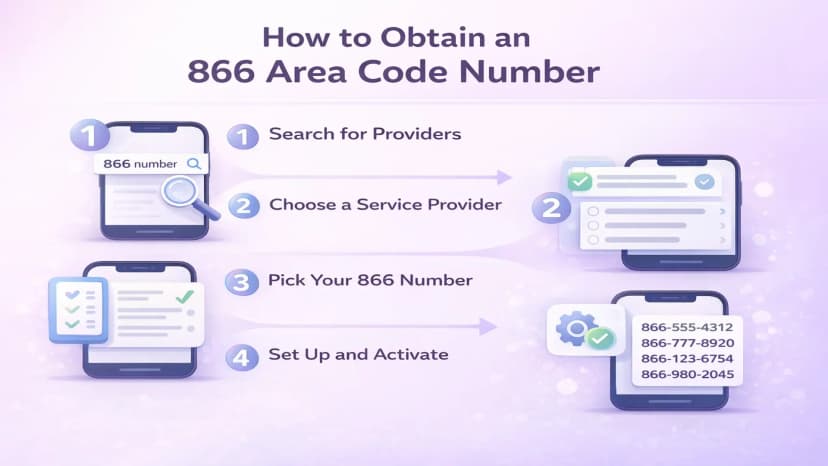
ลำดับหลักที่สะกดบางอย่างหรือแสดงรูปแบบซ้ำจะติดอยู่ในหน่วยความจำของผู้โทรได้ดีกว่าลำดับแบบสุ่ม ดังนั้นจึงคุ้มค่าที่จะเรียกดูนานขึ้นเล็กน้อยก่อนจะตัดสินใจเลือกหมายเลข
จากนั้นลงทะเบียนด้วย ผู้ให้บริการที่รองรับรหัส 866ยืนยันรายละเอียดธุรกิจที่ขอ และหมายเลขจะเปิดใช้งานเมื่อการตั้งค่าเสร็จสมบูรณ์และพร้อมรับสาย
บริการค้นหาแบบย้อนกลับและการระบุผู้โทร
เครื่องมือค้นหาแบบย้อนกลับมีประโยชน์อย่างยิ่งในการหาว่าใครอยู่เบื้องหลังการโทรด้วยรหัสพื้นที่ 866 ที่เข้ามา พวกเขาช่วยคุณตรวจสอบอีกครั้งว่ามันถูกกฎหมายหรือไม่และหลบเลี่ยงสิ่งที่คลุมเครือ การเก็บบันทึกการโทรทางธุรกิจที่ดีจะง่ายขึ้นด้วยคุณสมบัติการติดตามในปัจจุบัน
ยึดติดกับแพลตฟอร์มการค้นหาแบบย้อนกลับที่ปลอดภัยและเป็นที่รู้จัก ซึ่งปกป้องข้อมูลของคุณเองพร้อมทั้งให้รายละเอียดที่แม่นยำ ก่อนที่จะรับสายที่ไม่คุ้นเคย การตรวจสอบอย่างรวดเร็วสามารถช่วยคุณประหยัดปัญหาได้ โดยเฉพาะอย่างยิ่งมีประโยชน์ในศูนย์บริการทางโทรศัพท์ในสภาพแวดล้อมท้องถิ่น 866 แห่งซึ่งมีสายเข้าอย่างต่อเนื่อง
รหัสพื้นที่ 866 เป็นการหลอกลวงหรือไม่?
ตัวรหัส 866 นั้นไม่ใช่ปัญหา — ไม่มีสิ่งใดเกี่ยวกับคำนำหน้าที่ทำให้การโทรน่าเชื่อถือมากหรือน้อยไปกว่าการโทรจาก 800 หรือ 877
สิ่งที่ทำให้ดูเสี่ยงคือการที่นักต้มตุ๋นหลอกหมายเลขโทรฟรีโดยเฉพาะเพราะพวกเขาอ่านว่าเป็นมืออาชีพและปลอดภัยในการตอบ ที่ FTC ได้บันทึกข้อร้องเรียนหลายพันรายการ เชื่อมโยงกับการปลอมแปลง 1-866 ทุกปี ซึ่งเป็นสาเหตุที่ทำให้เกิดคำถามนี้ขึ้นมาเรื่อยๆ
ประเภทการหลอกลวง 866 ทั่วไป
- IRS ปลอมหรือการโทรหนี้ภาษี ผู้โทรปลอมแปลงหมายเลข 866 แกล้งทำเป็นกรมสรรพากร ขู่จับกุม และเรียกร้องให้ชำระเงินด้วยบัตรของขวัญหรือการโอนเงินผ่านธนาคาร กรมสรรพากรไม่เรียกร้องให้เรียกเก็บเงินทันที
- โทรรับประกันอัตโนมัติ ข้อความที่บันทึกไว้อ้างว่าการรับประกันของคุณกำลังจะหมดอายุ ไม่มีการรับประกัน เป้าหมายคือการเก็บเกี่ยว VIN การชำระเงินหรือข้อมูลส่วนบุคคล
- การฉ้อโกงการสนับสนุนทางเทคนิค ผู้โทรอ้างว่ามาจากแบรนด์ซอฟต์แวร์รายใหญ่ และขอให้เข้าถึงคอมพิวเตอร์ของคุณจากระยะไกลเพื่อแก้ไขไวรัสที่ไม่มีอยู่จริง
- การหลอกลวงรางวัลและการชิงโชค ข้อความเสียงแจ้งว่าคุณได้รับรางวัลหรือบัตรของขวัญ และจำเป็นต้องโทรไปที่หมายเลข 866 เพื่อรับรางวัล การโทรกลับมักจะขอค่าธรรมเนียมเล็กน้อยหรือรายละเอียดทางธนาคาร
- การแอบอ้างเป็นธนาคาร ผู้โทรปลอมตัวเป็นแผนกฉ้อโกงธนาคาร และขอให้คุณยืนยันหมายเลขบัตร รหัสความปลอดภัย หรือรหัสผ่านแบบใช้ครั้งเดียว
STIR/SHAKEN ช่วยได้อย่างไร (และขาดตรงไหน)
ตั้งแต่ปี 2021 ผู้ให้บริการในสหรัฐอเมริกาจำเป็นต้องติดตั้ง STIR/SHAKEN ซึ่งเป็นเฟรมเวิร์กการตรวจสอบหมายเลขผู้โทรที่ลงนามการโทรเพื่อไม่ให้มีการปลอมแปลงอย่างเงียบๆ โทรศัพท์สมัยใหม่ส่วนใหญ่จะแสดงป้ายยืนยันหรือป้ายกำกับ "ยืนยันผู้โทรแล้ว" เมื่อมีสายเข้าผ่านการตรวจสอบ
โทรฟรี 866 ผ่านกรอบการทำงานเดียวกัน แต่การตรวจสอบยืนยันไม่ได้กันกระสุน เครือข่ายต้นทางบางแห่งยังอนุญาตให้มีการโทรที่ไม่ได้รับการยืนยัน
วิธีการตรวจสอบหมายเลข 866 จริง
- วางสายถ้ามีอะไรไม่สบายใจ ธุรกิจที่ถูกกฎหมายไม่กดดันให้คุณอยู่ในสายงาน
- ค้นหาหมายเลขอย่างเป็นทางการของบริษัทได้โดยตรงบนเว็บไซต์หรือที่ด้านหลังบัตรธนาคาร/ประกันของคุณ
- โทรไปที่หมายเลขอย่างเป็นทางการและถามว่าสายเดิมเป็นของแท้หรือไม่
- อย่าอ่านรหัสผ่านหรือ PIN แบบครั้งเดียวทางโทรศัพท์ แม้แต่กับสาย 866 ที่ดูได้รับการยืนยันแล้วก็ตาม
- รายงานหมายเลขดังกล่าวต่อ FTC ที่ reportfraud.ftc.gov ซึ่งถือเป็นการบังคับใช้ระดับชาติ
เหตุใดธุรกิจจึงใช้หมายเลข 866
กรณีของการใส่หมายเลข 866 บนนามบัตรนั้นมีข้อดีหลายประการ:
- การยอมรับ. ความไว้วางใจของผู้โทร ผู้คนมีแนวโน้มที่จะกดหมายเลข 1-866 มากกว่าหมายเลขนำหน้าท้องถิ่นที่ไม่คุ้นเคย โดยเฉพาะในบริบทการสนับสนุนและการขาย
- การเข้าถึงระดับชาติ หมายเลข 866 เพียงหมายเลขเดียวสามารถเดินทางได้ทั่วประเทศ ดังนั้น ธุรกิจขนาดเล็กในรีโนจึงมีลักษณะเหมือนกับศูนย์บริการทางโทรศัพท์ระดับชาติในแอตแลนตา
- การแปลงขาเข้าที่สูงขึ้น โทรฟรีจะขจัดราคาที่เป็นจุดเสียดสีสำหรับการสนับสนุน การคืนสินค้า และการขายขาเข้า
- ตัวเลือกโต๊ะเครื่องแป้ง หมายเลขที่มีความหมาย — 1-866-LAW-FIRM, 1-866-CAR-LOAN — ยังคงถูกกฎหมายและหาได้ง่ายจากคำนำหน้า 866
- การพกพา ภายใต้กฎ FCC ธุรกิจจะเป็นเจ้าของหมายเลขดังกล่าว ไม่ใช่ผู้ให้บริการ การเปลี่ยนผู้ให้บริการไม่ได้หมายถึงการสูญเสียสาย
- คุณสมบัติในตัว ผู้ให้บริการสมัยใหม่จัดส่งหมายเลข 866 หมายเลขด้วย IVR การเข้าคิวการโทร ข้อความเสียงถึงอีเมล การบันทึกและการวิเคราะห์ — ทั้งหมดนี้นอกเหนือจากเส้นทางโทรฟรี
เริ่มต้นกับคุณ หมายเลขโทรฟรีของสหรัฐอเมริกา วันนี้. สำรวจกระบวนการที่ราบรื่นของเรา
แนวทางปฏิบัติด้านการดูแลสุขภาพ ผู้ค้าปลีกออนไลน์ และบริษัทสตาร์ทอัพด้านเทคโนโลยีเป็นหนึ่งในผู้ที่รับหมายเลข 866 มาใช้มากที่สุด สาเหตุหลักมาจากการลดต้นทุนในการโทรจะช่วยลดอุปสรรคสำหรับลูกค้าในการรายงานปัญหา แทนที่จะต้องบอกต่ออย่างเงียบๆ
แพลตฟอร์มอย่าง Ringflow จับคู่สายโทรฟรีเข้ากับการกำหนดเส้นทางการโทร การบันทึก และการวิเคราะห์ ดังนั้นตัวเลขจึงเป็นเพียงส่วนหนึ่งของการปรับปรุง เครื่องมือโดยรอบคือสิ่งที่ขับเคลื่อนคะแนนความพึงพอใจอย่างแท้จริง
คุณสมบัติขั้นสูงพร้อมใช้งานกับ 866 Numbers
ผู้ให้บริการ 866 ส่วนใหญ่รวมคุณสมบัติที่นอกเหนือไปจากการรับสายขั้นพื้นฐาน: การกำหนดเส้นทางการโทรอัตโนมัติและการส่งต่อไปยังทีมที่เหมาะสม และการถอดข้อความเสียง ดังนั้นสายที่ไม่ได้รับจึงไม่จำเป็นต้องโทรเข้าเพื่อตรวจสอบ
การบันทึกการโทรและการวิเคราะห์ เผยให้เห็นจุดที่สายหยุดหรือวาง เมนู IVR จะกำหนดเส้นทางผู้โทรไปยังแผนกที่ถูกต้องก่อนที่เจ้าหน้าที่จะเข้ามาเกี่ยวข้อง และการผสานรวม CRM จะแสดงประวัติผู้โทรทันทีที่ตัวแทนรับสาย
การใช้รหัสพื้นที่ 866 สำหรับธุรกิจของคุณ
การเปิดตัวหมายเลข 866 จะทำงานได้ดีที่สุดเมื่อเริ่มต้นด้วยการดูรูปแบบการโทรที่มีอยู่ — ชั่วโมงเร่งด่วน เหตุผลในการโทรทั่วไป และฟีเจอร์ใด (การกำหนดเส้นทาง IVR การบันทึก) ที่ทีมจะใช้จริงตั้งแต่วันแรก
หลังจากเปิดตัว หมายเลขที่สำคัญได้แก่ อัตราการรับสาย ระยะเวลาการโทรโดยเฉลี่ย และจำนวนสายที่รับสายโดยไม่ต้องโอนสาย ติดตามว่าสายโทรฟรีช่วยลดความขัดแย้งให้กับลูกค้าจริงหรือไม่ ไม่ใช่แค่เพิ่มหมายเลขใหม่เพื่อจัดการ
เลข 866 ทำงานอย่างไร
หมายเลข 866 นั้นให้บริการฟรีสำหรับผู้โทร แต่ยังคงโทรหาธุรกิจใดที่หนึ่งในประเทศได้ ด้วยระบบกำหนดเส้นทางที่ดูแลโดยอุตสาหกรรมโทรฟรีภายใต้การกำกับดูแลของ FCC นี่คือขั้นตอนการโทรแบบง่าย:
- ผู้โทรกด 1-866-XXX-XXXX จากโทรศัพท์เครื่องใดก็ได้ใน NANP
- ผู้ให้บริการต้นทางสอบถามฐานข้อมูล SMS/800 ซึ่งเป็นรีจิสทรีการกำหนดเส้นทางแบบรวมศูนย์ที่ดูแลโดย Somos ซึ่งเป็นผู้ดูแลระบบหมายเลขโทรฟรีอย่างเป็นทางการ
- ฐานข้อมูลนั้นจะส่งคืนองค์กรที่รับผิดชอบ (RespOrg) ในบันทึกสำหรับหมายเลขที่โทรออก รวมถึงการแปลเส้นทางด้วย
- RespOrg กำหนดเส้นทางการโทรผ่านเครือข่ายการสลับไปยังปลายทางใดก็ตามที่ธุรกิจได้กำหนดค่าไว้ เช่น โทรศัพท์บ้าน, SIP Trunk, ซอฟต์โฟน VoIP, คิวคอลเซ็นเตอร์ หรือโทรศัพท์มือถือ
- ผู้โทรไม่ต้องจ่ายอะไรเลย ธุรกิจชำระเงินให้ผู้ให้บริการตามนาทีขาเข้า โดยทั่วไปจะเรียกเก็บเงินเพิ่มครั้งละ 6 วินาทีหลังจาก 30 วินาทีแรก
ขั้นตอนการแปลคือสิ่งที่ช่วยให้หมายเลข 866 หนึ่งหมายเลขกระจายไปยังปลายทางหลายแห่งพร้อมกัน — ฝ่ายสนับสนุนหลัก เจ้าหน้าที่ล้นที่ทำงานจากระยะไกล และสายสำรอง — ทั้งหมดนี้ดังขึ้นจากหมายเลขที่โทรออกเดียวกัน
นี่เป็นสาเหตุที่ตัวเลขยังคงอยู่แม้ว่าธุรกิจจะสลับผู้ให้บริการก็ตาม: ความเป็นเจ้าของจะขึ้นอยู่กับธุรกิจ ดังนั้นการเปลี่ยนแปลง RespOrg ไม่ได้หมายถึงหมายเลขใหม่
อุตสาหกรรมที่ต้องอาศัยตัวเลข 866
อุตสาหกรรมที่มีปริมาณมากจะได้รับประโยชน์สูงสุดจากสายโทรฟรี เนื่องจากเป็นอุตสาหกรรมที่ดูดซับต้นทุนต่อการโทรสำหรับการโทรเข้าจำนวนมากที่สุด:
- การดูแลสุขภาพและการประกันภัย — สายการนัดหมาย การเคลม การเติมใบสั่งยา
- อีคอมเมิร์ซและการขายปลีก — การสนับสนุนคำสั่งซื้อ การคืนสินค้า การคืนเงิน
- ธนาคาร สหภาพเครดิต และผู้ให้กู้ - สายการฉ้อโกง การให้บริการบัญชี
- หน่วยงานภาครัฐ-สายด่วนสาธารณประโยชน์ ช่วยเหลือด้านภาษี
- เทคโนโลยี SaaS และ B2B — การสนับสนุนระดับองค์กรและการเริ่มต้นใช้งาน
- โลจิสติกส์และการจัดส่ง — การจัดส่งพนักงานขับรถ, ETA ของลูกค้า
- การเดินทางและการต้อนรับ — สายการจอง ความช่วยเหลือหลังการเข้าพัก
เปรียบเทียบรหัสโทรฟรี (800 กับ 888 กับ 877 กับ 866 กับ 855 กับ 844 กับ 833)
รหัสทั้งเจ็ดมีฟังก์ชันเหมือนกันสำหรับผู้โทร — ประสบการณ์การโทรและค่าใช้จ่าย (ฟรีสำหรับผู้โทร) เหมือนกัน ความแตกต่างขึ้นอยู่กับวันที่เปิดตัว ความพร้อมของสินค้าคงคลัง และความรู้สึกของตัวเลขที่น่าจดจำ
| รหัสโทรฟรี | เปิดตัวแล้ว | สถานะ | ความแตกต่างในทางปฏิบัติ |
|---|---|---|---|
| 800 | มกราคม 1967 | ส่วนใหญ่จะหมดแรง | ยากที่สุดที่จะได้รับ หมายเลขโต๊ะเครื่องแป้งแบบพรีเมียมสามารถขายต่อได้ในราคา $10K+ |
| 888 | มีนาคม 1996 | สินค้าคงคลังมีจำกัด | การทำให้ผอมบางสินค้าคงคลังโต๊ะเครื่องแป้ง มักถูกมองว่าเป็นตัวเลือกที่ดีที่สุดเป็นอันดับสองรองจาก 800 |
| 877 | เมษายน 1998 | มีอยู่ | ความสมดุลที่ดีของการรับรู้และสินค้าคงคลัง ตัวเลือกโต๊ะเครื่องแป้งที่ง่าย |
| 866 | 29 กรกฎาคม 2543 | มีอยู่ | รหัสโทรฟรีรหัสแรกของสหัสวรรษ สินค้าคงคลังโต๊ะเครื่องแป้งกว้าง |
| 855 | ตุลาคม 2010 | มีจำหน่ายกันอย่างแพร่หลาย | สินค้าคงคลังที่แข็งแกร่ง ทางเลือกทั่วไปสำหรับธุรกิจใหม่ |
| 844 | ธันวาคม 2556 | มีจำหน่ายกันอย่างแพร่หลาย | สินค้าคงคลังที่แข็งแกร่ง รหัสอายุน้อย การจดจำแบรนด์น้อยลง |
| 833 | มิถุนายน 2017 | ใหม่ล่าสุดอุดมสมบูรณ์ | สระว่ายน้ำที่ใหญ่ที่สุดที่มีอยู่ ความคุ้นเคยของแบรนด์กับผู้โทรทั่วไปลดลง |
กล่าวโดยย่อ: รหัสโทรฟรีทุกรหัสใช้งานได้เหมือนกัน ตัวเลือกส่วนใหญ่จะเกี่ยวกับว่าหมายเลขเฉพาะที่คุณต้องการว่างหรือไม่ และคุณใส่ใจกับความคุ้นเคยของผู้โทรหรือไม่
สายผลิตภัณฑ์ดูแลสุขภาพใหม่ในปี 2569 แทบจะไม่เห็นความแตกต่างระหว่างหมายเลข 866 และ 855
บทสรุป
หมายเลข 866 เป็นรหัสโทรฟรีที่เปิดตัวครั้งแรกในปี 2000 โดยมีเส้นทางโทรฟรีแบบเดียวกับ 800, 888 และ 877 แต่จำนวนรหัสที่มีอยู่และหมายเลขตามตัวอักษรยังคงเปิดกว้างกว่ามากในปัจจุบัน
การผสมผสานระหว่างการรับรู้และความพร้อมในการให้บริการเป็นสาเหตุว่าทำไมจึงยังคงเป็นตัวเลือกแรกทั่วไปสำหรับธุรกิจที่จัดตั้งสายโทรฟรีสายแรก
ความเสี่ยงจากการหลอกลวงที่อธิบายไว้ข้างต้นใช้กับรูปแบบโทรฟรีโดยทั่วไป ไม่ใช่กับ 866 โดยเฉพาะ — พฤติกรรมการยืนยันแบบเดียวกันนั้นใช้ได้ไม่ว่าจะโทรด้วยหมายเลขนำหน้าโทรฟรีใดก็ตาม
เมื่อจับคู่กับผู้ให้บริการอย่าง Ringflow ที่แบ่งชั้นการกำหนดเส้นทาง การบันทึก และการวิเคราะห์ไว้ด้านบนของหมายเลขดิบ สาย 866 ทำหน้าที่ทั้งจุดติดต่อระดับมืออาชีพและแหล่งข้อมูลเกี่ยวกับวิธีการโทรจริง
พร้อมที่จะก้าวต่อไปแล้วหรือยัง? รับหมายเลขโทรฟรีของสหรัฐอเมริกาทันที!
พร้อมเมื่อคุณพร้อม
ฟังดูใหญ่กว่าคุณ — รับสิทธิ์หมายเลขโทรฟรี 866
ให้หมายเลขโทรฟรี 866 แก่ธุรกิจของคุณด้วย Ringflow ตั้งค่าในไม่กี่นาที — ทดลองใช้ฟรี ไม่ต้องใช้การ์ด
คำถามที่พบบ่อย
ใช่. 866 เป็นหนึ่งในเจ็ดรหัสโทรฟรีใน North American Numbering Plan ควบคู่ไปกับ 800, 888, 877, 855, 844 และ 833
รหัสพื้นที่ 866 ไม่ได้เชื่อมโยงกับที่ตั้งทางภูมิศาสตร์ใดๆ แต่เป็นรหัสนำหน้าโทรฟรีที่ไม่ใช่ทางภูมิศาสตร์ ซึ่งใช้ได้ทั่วทั้งสหรัฐอเมริกา แคนาดา และประเทศแถบแคริบเบียนส่วนใหญ่ในแผนหมายเลขอเมริกาเหนือ
ทั้งสองรหัสเป็นรหัสโทรฟรีที่ให้บริการฟรีสำหรับผู้โทรและมีฟังก์ชันเหมือนกัน ความแตกต่างที่สำคัญคือวันที่เปิดตัวและความพร้อมใช้งาน: 800 เปิดตัวในปี 1967 และส่วนใหญ่หมดแล้ว (หมายเลขโต๊ะเครื่องแป้งระดับพรีเมียมสามารถขายต่อได้หลายพัน) ในขณะที่ 866 เปิดตัวในปี 2000 และยังคงมีสินค้าคงคลังมากมาย
หมายเลข 866 ใช้ได้กับแผนการกำหนดหมายเลขในอเมริกาเหนือ ซึ่งรวมถึงสหรัฐอเมริกา แคนาดา และสมาชิกแคริบเบียนส่วนใหญ่ โดยไม่มีค่าธรรมเนียมทางไกลหรือการโรมมิ่งสำหรับผู้โทรภายใน NANP การโทรจากภายนอก NANP อาจไปไม่ถึงหมายเลขโทรฟรีหรืออาจมีค่าบริการ
ใช่. '1' คือรหัสประเทศในอเมริกาเหนือที่กดก่อนหมายเลขโทรฟรี ดังนั้น 1-866 และ 866 จึงหมายถึงหมายเลขโทรฟรีเดียวกัน