
Introduction
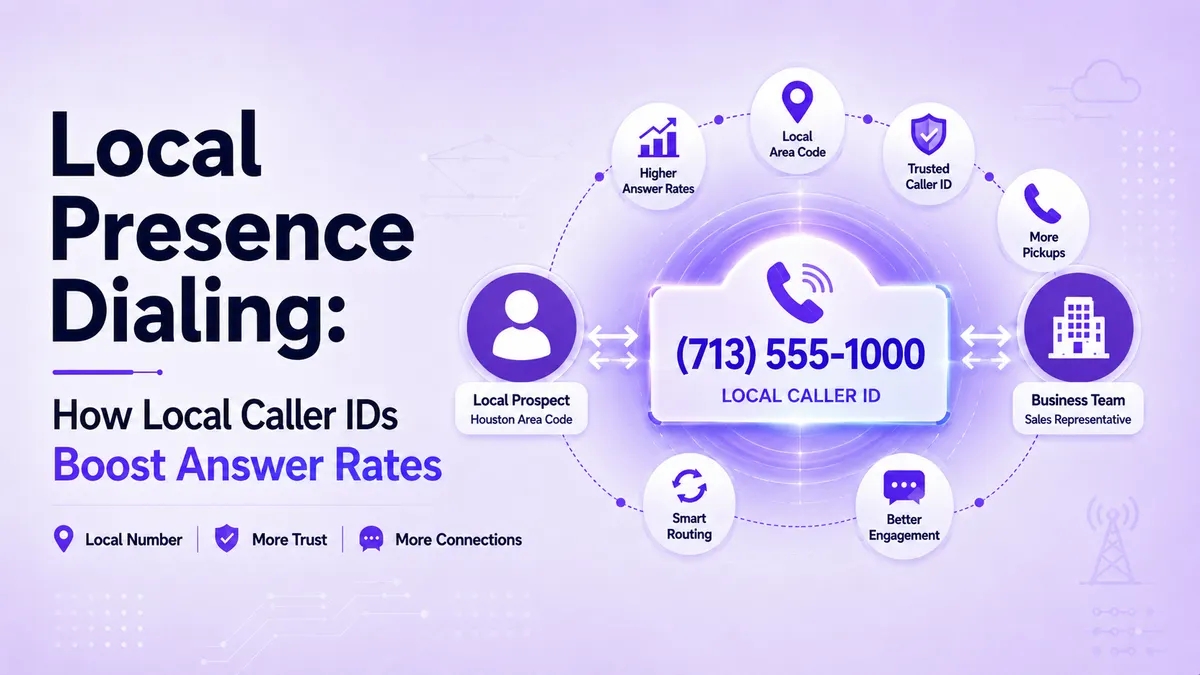
Local presence dialing swaps your outbound caller ID for a number that matches the prospect's area code, so the call looks local instead of out of state. That single detail changes whether a phone gets answered or silently declined, since a familiar number reads as trustworthy rather than foreign. This guide covers how this method actually works, what the real answer-rate data shows, and the number-health problem most guides skip entirely. Skip that last part, and your numbers get flagged as spam within weeks.
- Local presence dialing lifts answer rates because prospects trust a familiar area code over an unknown one.
- A locally matched caller ID still needs active rotation, or carriers flag it as spam within weeks of heavy use.
- The FCC's Truth in Caller ID rules keep this practice legal, as long as no one uses it to defraud anyone.
- A rotating pool of numbers keeps your outbound caller pool healthy across every campaign.
What Is Local Presence Dialing?
This calling method matches your outbound caller ID to the area code of the person you're calling. A system pulls a number from a pool tied to that region, so a call to a Denver prospect shows a 303 number instead of your main office line. The goal is simple: look like next door, not like a stranger three states away. Nothing about the underlying phone line changes; only the caller ID presented to the recipient does.
Why the Area Code on the Screen Matters
People screen calls by area code more than almost any other signal. A number sharing a prospect's own prefix reads as a neighbor, a school, or a delivery driver, not a telemarketer. That split-second judgment happens before the phone even finishes its first ring.
A Quick Example
Picture a 40-person outbound team calling prospects across Ohio, Georgia, and Arizona from one Chicago-based number. Answer rates for that kind of setup typically sit in the single digits. Once each call matches the prospect's own area code, connect rates commonly climb into the high teens or low twenties within the first few weeks.
How Local Presence Dialing Works, Step by Step
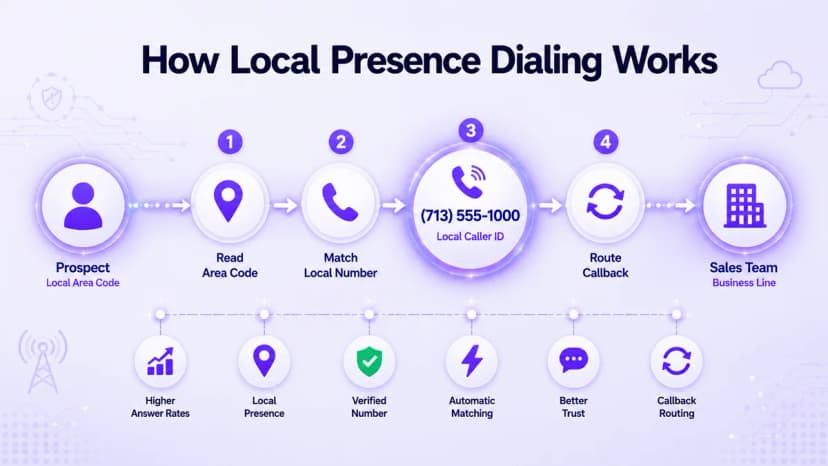
This process runs on a few moving parts working together in the background.
- 1The dialer reads the area code of the number you're about to call.
- 2It matches that area code to an available number in your local pool.
- 3The outbound call displays that matched number as the caller ID.
- 4A callback routes straight to the original rep or a designated follow-up queue.
Setting this up requires a pool of real, working local numbers tied to your business, not fake or borrowed ones. Each number needs proper registration and the ability to receive inbound callbacks, since a dead-end number erases any trust it just built.
None of this requires the rep to do anything differently. It runs automatically inside most modern outbound platforms, matching numbers call by call without slowing the dial pace. This routing logic overlaps with how VoIP termination handles outbound call paths more broadly, since both rely on clean, verified caller ID data to avoid carrier filtering.
What Happens When a Prospect Calls Back
A callback to a local presence dialer number shouldn't ring into empty air. Good systems route it back to the rep who made the original call, or to a queue built for missed-connection follow-up. Lose this step, and a returning prospect hits a dead end instead of a live rep. Some platforms let a rep manually claim a returned call from a shared queue instead of waiting on an automatic match, which helps when a prospect calls back hours later.
How Much Do Local Caller IDs Boost Answer Rates?
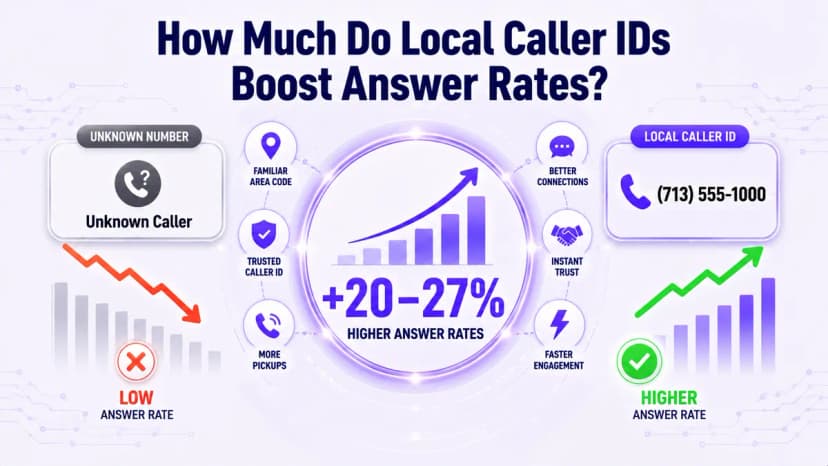
The data on local presence dialing is consistent across multiple studies. One widely cited study found cold callers using this technique saw connection rates climb by roughly 400 percent compared to blocked or out-of-area numbers. Other research puts the lift closer to 20 to 27 percent higher answer rates versus a toll-free or unfamiliar number.
The reason is simple psychology, not technology. A locally matched number doesn't trigger the same hesitation as a number from three time zones away. Prospects still have to decide to pick up, but a familiar area code removes one more reason to let it go to voicemail.
The effect is strongest in industries where outbound volume is high and trust matters immediately, like insurance follow-ups, real estate lead qualification, and healthcare appointment confirmations. A patient is far more likely to pick up a call from a local clinic exchange than an 800 number with no context. The same logic applies to any business calling prospects who don't already recognize the brand name.
Why Local Presence Dialing Stops Working Over Time
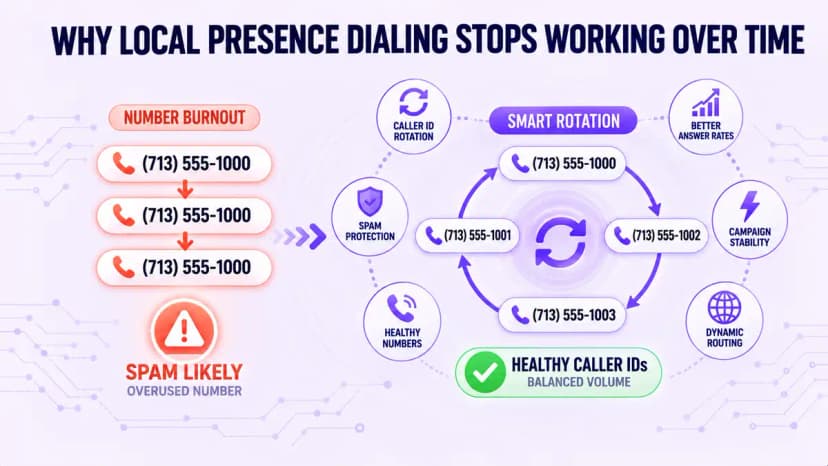
Most guides treat this tactic as a one-time setup: match the area code, done. That's only half the story. Numbers used too often, too fast, get flagged as spam-likely by carrier apps, and the exact answer-rate boost you added disappears within weeks.
Spam-Likely Flags and Number Burnout
Carriers track call volume and complaint patterns tied to each number. A local presence dialer that fires the same ten numbers at a thousand prospects a day burns through its own advantage fast, since those numbers start showing up as "Spam Likely" on caller screens. Burnout usually shows up as a slow answer-rate decline, not a sudden drop, which makes it easy to miss until it's already hurting a campaign.
Some platforms make this worse by reusing the exact same handful of numbers for every campaign in every region, which multiplies complaint reports tied to a single line. Spreading volume across a wider pool is what keeps that from happening in the first place.
How Rotating Caller ID Keeps Numbers Answering
The fix is treating this rotation as an ongoing job, not a static setup. Ringflow's Rotating Caller ID cycles through a pool of numbers per campaign automatically, spreading call volume so no single number gets overused or flagged. Dynamic DID Handling adds another layer, assigning different number sets to different campaigns so a healthcare outreach effort and a sales follow-up never share the same burn risk.
Teams running several campaigns at once benefit the most, since tracking number health by hand stops being realistic past a handful of lines. For a deeper look at how carriers judge outbound call quality overall, see our guide to voice termination.
Is Local Presence Dialing Legal?
Yes, with one important distinction. Local presence dialing displays a real, working number your business owns, which differs from caller ID spoofing, where a number is faked to deceive or defraud someone. The Truth in Caller ID Act, enforced by the FCC, bans spoofing done with intent to defraud, cause harm, or wrongfully obtain something of value, not the practice of matching a real local number to a call. Under FCC guidelines, a business using its own legitimately owned numbers to project local presence stays on the right side of that line.
TCPA Rules Still Apply
Matching area codes doesn't change TCPA consent requirements for autodialed or prerecorded calls to cell phones. A locally matched number makes a prospect more likely to answer, but the call still needs proper consent if it uses automated dialing technology. Treat the legal side as two separate checklists, caller ID accuracy and consent compliance, both required, neither optional.
Keeping Your Answer-Rate Lift Long Term
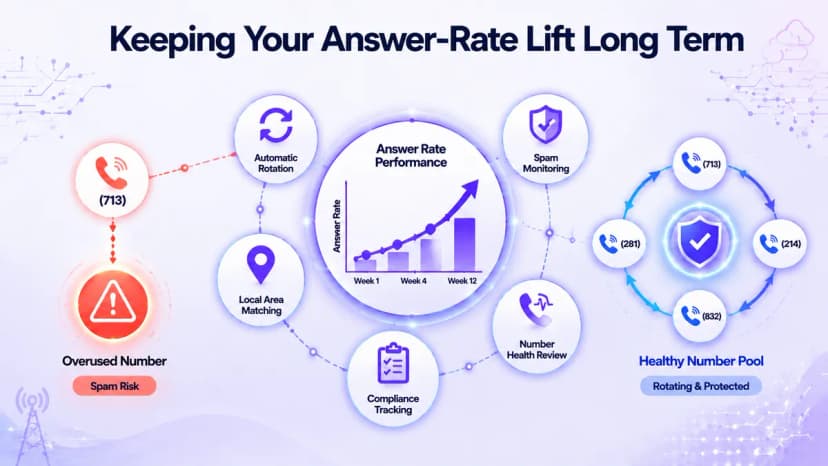
Most teams get the first 30 days right, then quietly let their number health slide. A few habits separate teams that keep their answer-rate lift from teams that lose it within a month.
- Rotate numbers automatically instead of reusing the same handful every day.
- Monitor for spam-likely flags weekly, not after a lead complains.
- Match area codes at the campaign level, not just company-wide.
- Keep a compliance record of every number your business owns and uses.
- Review connect-rate trends by number, not just by campaign, to catch a burning number early.
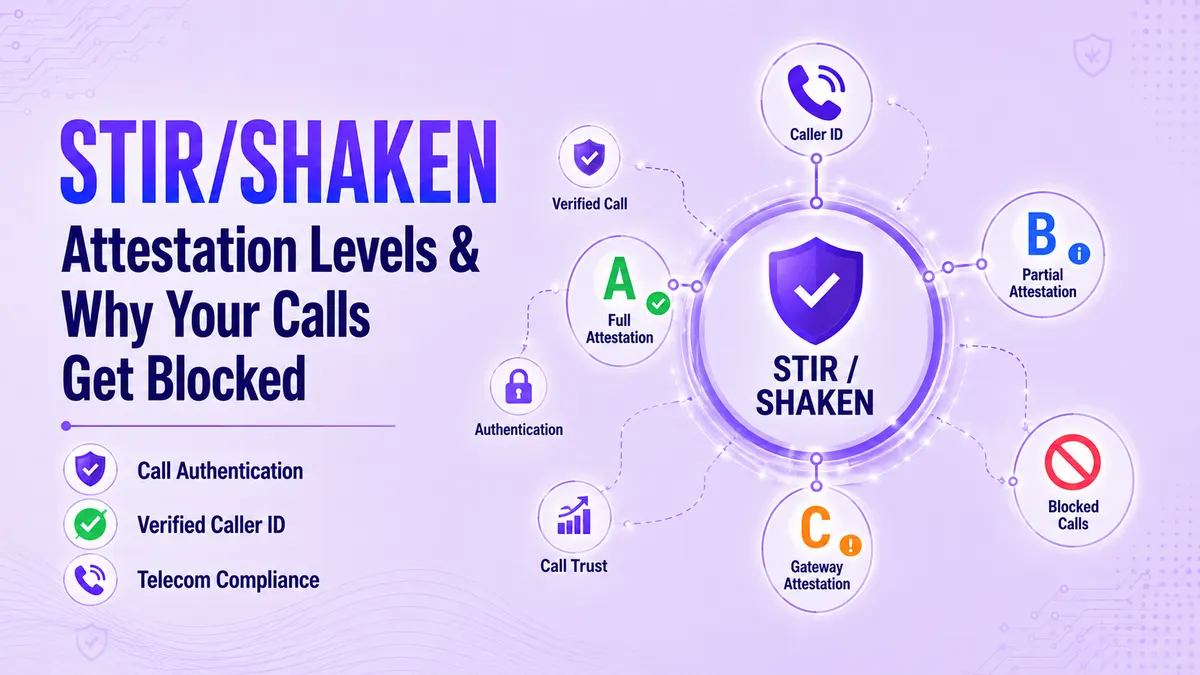
Ringflow's outbound contact center platform builds these habits into the dialer itself, so reps don't have to manually track which numbers are still healthy. Pairing that with clean STIR/SHAKEN attestation keeps those healthy numbers showing up as verified, too.
Conclusion
Local presence dialing works because a familiar area code earns a second look before a prospect hangs up. The data backs it up, with connection rates climbing well past what an out-of-area number ever manages. A local caller id alone isn't a permanent fix, though, since overused numbers burn out and lose their edge. Rotation, monitoring, and a real compliance record keep that answer-rate lift alive campaign after campaign.
Outbound teams that treat local presence dialing as an ongoing system, not a one-time trick, keep winning more conversations over time. Ringflow's Rotating Caller ID and Dynamic DID Handling handle that rotation automatically, so your numbers stay healthy call after call. Start applying these habits today, and watch which prospects finally pick up. Your next campaign deserves better answer rates than your last one got.
Ready when you are
Your Outbound Numbers Are Only as Good as Their Last Answered Call
Ringflow's Rotating Caller ID keeps your number pool healthy so answer rates don't fade after week one.
Frequently Asked Questions
It's a calling method that matches your outbound caller ID to the area code of the person you're calling. Instead of your main office number, the prospect sees a local number from their own region.
Any business that makes outbound calls across multiple regions benefits, from <a href="/solutions/sales-teams/" style="color:#6f4ae5;text-decoration:underline">national sales teams</a> to multi-location service providers. It's most common in outbound sales, collections, and appointment-reminder calling.
Turn it on before any outbound campaign that targets prospects outside your local area code. Waiting until answer rates already dropped means recovering lost connections instead of preventing the drop.
The system reads the area code of the number being dialed, then matches it to an available number from a regional pool. Numbers swap automatically, call by call, without manual input from the rep.
Yes, as long as the numbers rotate and get monitored for spam-likely flags. Reusing the same few numbers too aggressively damages a number's reputation, not the practice itself.
Area code matching handles geography, not the clock, so pairing it with time-zone-aware dialing hours matters just as much. Calling a matched local number at 3 a.m. still gets ignored, or reported.
Most cloud contact center platforms include this feature as part of an outbound calling plan, rather than charging a separate setup fee. Actual cost depends on how many local numbers your campaigns need to cover.
Overused numbers get flagged as spam-likely once carriers notice high call volume and complaint patterns tied to them. Rotating the pool of numbers automatically keeps outbound caller ID performance strong long term.