
Introduction
Searching for random funny phone numbers usually means one of two things. Either you need a fake number that won't ring a real person — for a form, a screenshot, a script, or a training deck — or you're curious about the famous joke numbers people have been dialling for decades.
This guide covers both. You'll learn which number ranges are officially reserved for fiction, where the classic pop-culture numbers came from, what actually happens when someone calls a real line for laughs, and how to set up a memorable number that belongs to you.
- Only 555-0100 through 555-0199 are officially reserved for fictional use in the US and Canada.
- Famous funny numbers like 867-5309 and 555-2368 come from a song and a film, not from real hotlines.
- Most "funny numbers to call" lists online point at real lines belonging to real people.
- Repeatedly calling someone to annoy them is harassment in most countries, whatever the intent was.
- A vanity or virtual number gives you a memorable line legally, without borrowing anyone else's.
Why Fake Numbers Start With 555
Before the convention existed, films and television used ordinary-looking numbers — and viewers dialed them. Real households received years of calls meant for fictional characters, and some of those numbers had to be disconnected entirely.
The fix was to set aside a block nobody could be assigned. The North American Numbering Plan reserved 555-0100 through 555-0199 for fictional use, which is why writers reach for 555 whenever a number appears on screen. It is the only range guaranteed not to reach a real subscriber.
One common misunderstanding is worth clearing up: not every 555 number is fake. The wider 555 exchange is a live, assignable range, and some of it has always been in service.
| Number range | Status | Typical use |
|---|---|---|
| 555-0100 to 555-0199 | Reserved for fiction | Films, TV, novels, screenshots, training material |
| 555-1212 | In service | Directory assistance across North America |
| All other 555 numbers | Assignable | Real services and information lines |
If you need a fake number for a form, a demo, or a screenshot, stay inside 555-0100 to 555-0199. Anything else in the 555 exchange may connect to a working line.
Famous Funny Numbers in Pop Culture
A handful of numbers escaped their fiction and took on a life of their own. These are the ones people still search for, still joke about, and occasionally still dial.
- 867-5309 — from the 1981 Tommy Tutone song "867-5309/Jenny." Because it uses a real, assignable exchange rather than the reserved range, people holding that number in various area codes have fielded calls for more than forty years. Some businesses have since bought it deliberately as a marketing asset.
- 555-2368 — the most reused number in screen history. It was the Ghostbusters hotline, and it also turned up in The Rockford Files and The Twilight Zone. It falls inside the reserved fictional block, so it connects to nobody.
- 555-0100 style numbers — the modern default. Watch almost any recent film closely and the number on screen will sit inside the reserved range.
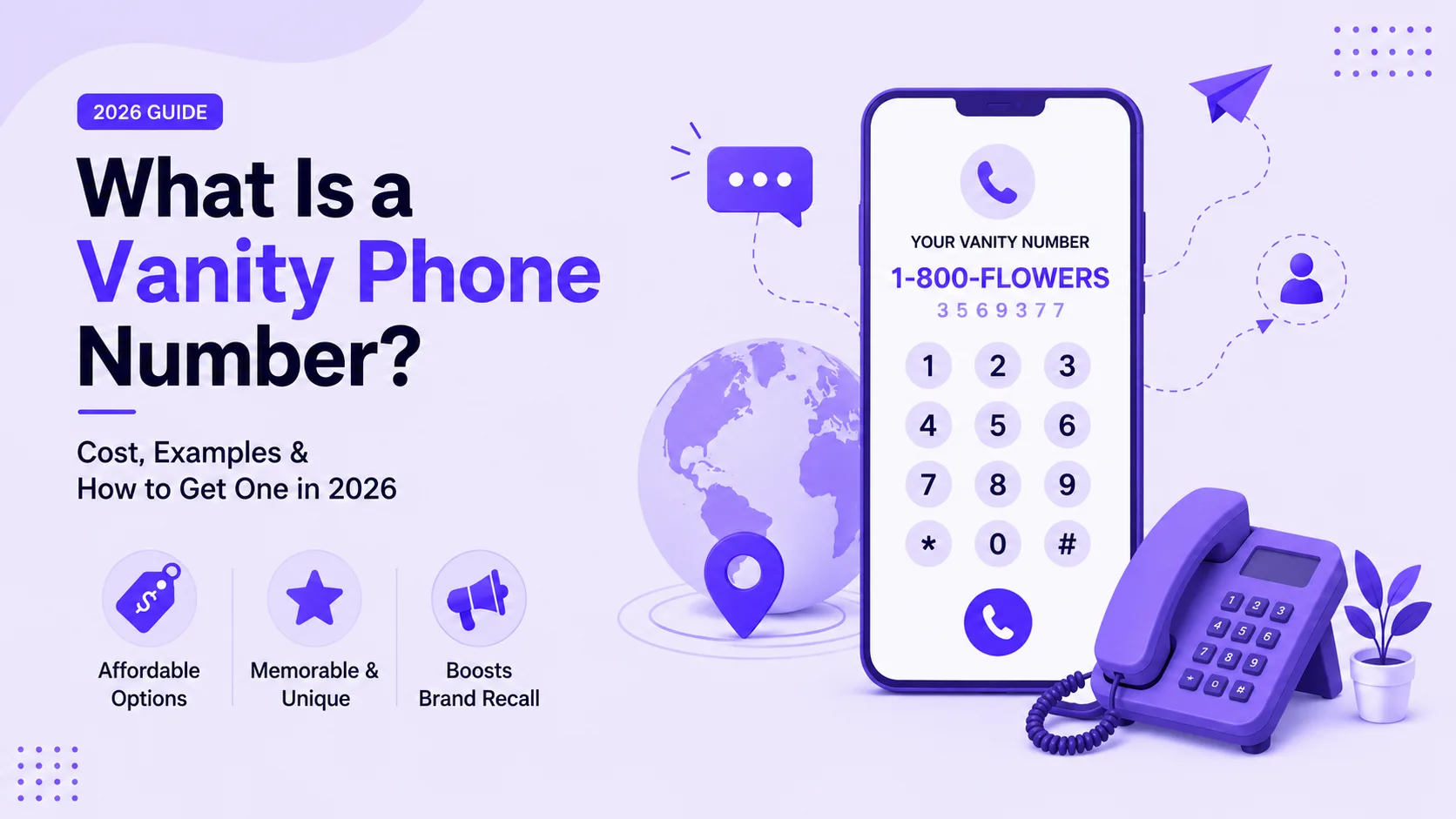
- Spelled-out numbers — lines like 1-800-FLOWERS aren't jokes, but they work on the same principle: a pattern the brain retains far better than ten unrelated digits.
The pattern worth noticing is that the numbers which caused real disruption were the ones using live exchanges. The purely fictional ones stayed harmless precisely because they were never connected.
Which Numbers Are Actually Safe to Call
The honest answer disappoints people: the numbers guaranteed safe to call are the ones that don't connect to anything. Dial something in the 555-0100 range and you'll get a recorded message or nothing at all, which is exactly the point.
Lists titled "funny numbers to call" circulate widely online, and most of them are unreliable. They're copied between sites for years without checking, and the numbers frequently belong to real households, small businesses, or services that were never intended to be entertainment.
If a number isn't published by the organization that owns it, treat it as somebody's private line. Novelty hotlines that genuinely want calls advertise themselves openly — they don't need to be discovered on a list.
Prank Calls: Where the Legal Line Sits
Most people assume a prank call is harmless because no harm was intended. The law generally measures the effect on the person receiving the call, not the mood of the person making it.
- United States — federal law prohibits using a telephone to abuse, threaten, or harass, and every state layers its own harassment statutes on top.
- United Kingdom — the Communications Act 2003 covers messages that are grossly offensive, indecent, or sent to cause needless anxiety.
- Caller ID spoofing — faking the number you call from is separately regulated, and in the US it is unlawful when done to defraud or cause harm.
- Emergency lines — hoax calls to emergency services are treated as a serious offense virtually everywhere, with real custodial sentences attached.
Repetition is what usually turns a joke into an offense. A single misdialed call is nothing; calling the same person again because their reaction was entertaining is the behavior these laws exist to stop.
How to Get Your Own Memorable Number
If what you actually want is a number people remember and laugh about, the sustainable version is to own one. That way the joke belongs to you and nobody else has to field the calls.
- 1Decide between a local number, which signals that you're nearby, and a toll-free number, which reads as national.
- 2Search the available combinations for a word or pattern that fits — this is how a vanity phone number is built.
- 3Say it out loud before committing. Anything that needs spelling out twice has already failed the memorability test.
- 4Route it wherever you want using a virtual phone number, so the memorable line and the device answering it stay independent.
- 5Keep it consistent everywhere it appears, because recall comes from repetition more than cleverness.
The same logic that made 867-5309 impossible to forget works for a business line. A number with a pattern gets remembered, gets dialed correctly, and gets repeated to other people without anyone needing to look it up.
Frequently Asked Questions
The term usually covers two different things: fake numbers reserved for fiction, such as the 555-0100 to 555-0199 range, and famous numbers from songs and films that people still recognize decades later. Only the reserved range is guaranteed not to reach a real person.
No. Only 555-0100 through 555-0199 are officially reserved for fictional use in the US and Canada. The rest of the 555 exchange is assignable, and 555-1212 has long served as directory assistance across North America.
Yes, and that is exactly why it caused trouble. The 1981 Tommy Tutone song used a live exchange rather than the reserved fictional block, so people holding that number in different area codes have received calls for over forty years. Some businesses now own it on purpose.
It depends entirely on effect and repetition. A one-off misdial is not an offense, but calling someone repeatedly to annoy or alarm them meets the definition of harassment in most countries, regardless of whether it was meant as a joke.
Use something in the 555-0100 to 555-0199 range. It is the only block guaranteed not to connect to a real subscriber, which is why films, training material, and product screenshots rely on it.