
Introduction
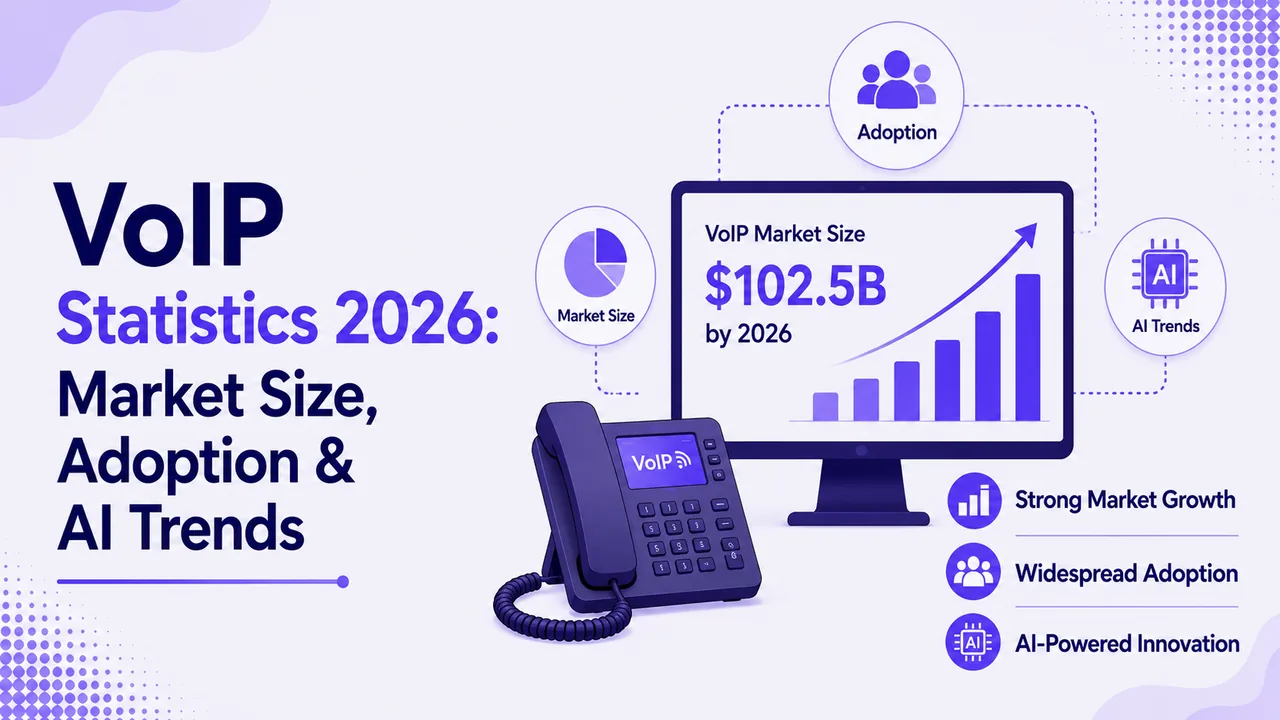
The latest voip statistics show a market that is bigger, smarter, and growing faster than most people expect in 2026. These voip statistics matter because they reveal where business calling is headed and what your competitors are already adopting. You will find the numbers on market size, business adoption, cost savings, and the AI trends reshaping every call this year. Read on for a clear, source-backed snapshot you can actually use to plan your very next move.
The global VoIP market is projected to pass $170 billion by the late 2020s, growing at double-digit rates each year. Over 70 percent of US businesses now use VoIP, and remote work pushed adoption even higher. Companies switching from landlines cut phone bills by 30 to 50 percent on average. AI features like live transcription and call coaching are the fastest-growing trend in VoIP for 2026.
VoIP Market Size and Growth
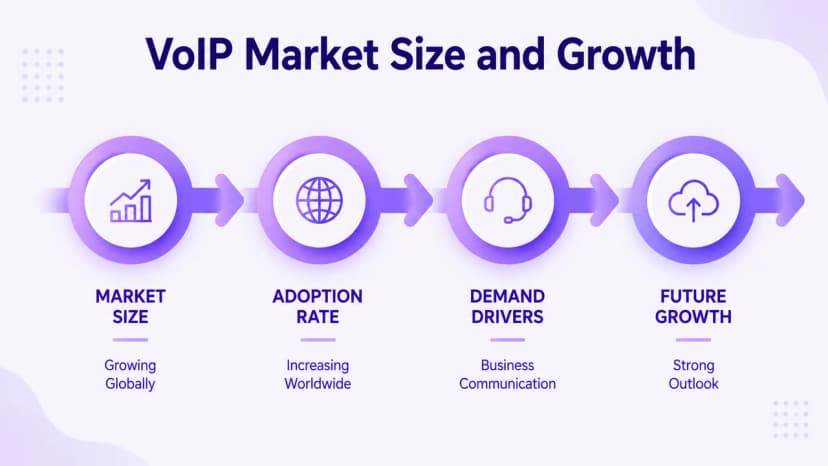
The headline voip statistics start with money, and the numbers are striking. The global VoIP market size is on track to exceed $170 billion by the late 2020s, up from roughly $85 billion a few years earlier. That growth reflects a compound annual rate in the double digits, which few communication technologies match.
Several forces drive this expansion at once. Remote and hybrid work made cloud calling a requirement, not a luxury. Falling hardware costs and rising internet quality removed the last reasons to stay on copper lines.
VoIP by the Numbers
A few figures capture the scale of the shift better than any paragraph. These voip statistics are the ones worth remembering when you plan a communications budget for the year ahead.
| Metric | 2026 figure |
|---|---|
| Global market size | Past $170 billion |
| Annual growth rate | Double digits |
| US business adoption | Over 70 percent |
| Average cost savings | 30 to 50 percent |
| Top provider uptime | 99.99 percent |
Each number points the same direction: broader use, deeper savings, and steadier reliability than the technology offered even three years ago. Taken together, they explain why new businesses rarely consider a landline at all.
Where the Growth Is Concentrated
North America still holds the largest share of the market, but the fastest growth is in Asia-Pacific. Small and mid-sized businesses now drive most new sign-ups, since cloud plans need no upfront hardware. Mobile VoIP usage is climbing sharply as teams take business calls from their phones.
VoIP Adoption Statistics
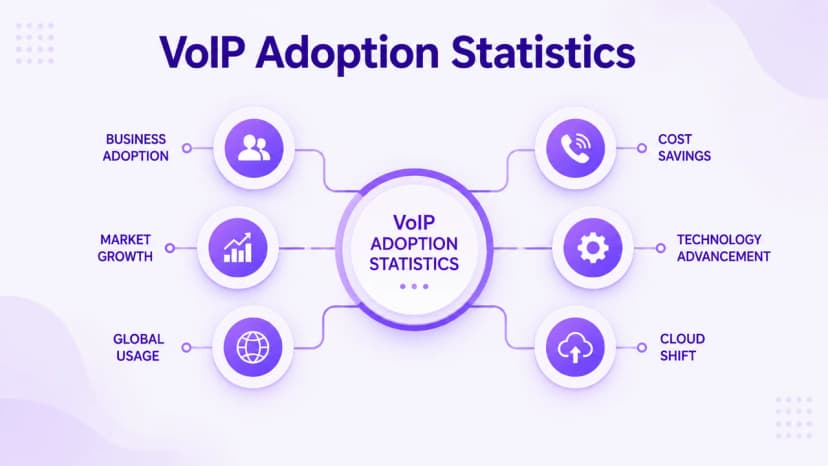
Adoption is where voip statistics get personal for business owners. More than 70 percent of US companies now use VoIP in some form, and that figure keeps climbing each year. Among businesses with remote staff, adoption is even higher, since a cloud phone system is the simplest way to stay connected.
The shift accelerated sharply after 2020, when offices emptied overnight. Teams that once relied on desk phones needed calling that worked from anywhere. Many never went back, and the voip statistics reflect that permanent change in how work happens.
Adoption by Business Size
Enterprise adoption is near-universal, but the real story is among smaller teams. Startups and small businesses now launch on VoIP by default, skipping landlines entirely. Providers like Ringflow make this easy, since a new team can be live the same day with no hardware to install.
Remote Work Reshaped the Numbers
No single factor moved the voip statistics more than the shift to remote and hybrid work. When offices closed, calling from a fixed desk phone stopped making sense overnight. Surveys now show that a majority of knowledge workers split time between home and office, and their phone systems had to follow. VoIP answered that need directly, letting one business number ring on a laptop, a desk phone, or a mobile app at once. The result is a permanent change in expectations, where flexibility is a baseline feature rather than a perk.
VoIP Cost Savings Statistics
Money is the reason most businesses switch, and the voip statistics back that up clearly. Companies moving from traditional landlines to VoIP report savings of 30 to 50 percent on their monthly phone bills. International calling costs drop even further, often by 90 percent or more.
The savings come from more than call rates alone. VoIP removes the cost of on-site hardware, maintenance contracts, and separate systems for messaging and video. A VoIP vs landline cost comparison shows just how wide the gap has become for a typical team.
Beyond the Phone Bill
The direct savings are only half the picture that the voip statistics reveal. Teams also recover hours once lost to manual call logging, since modern platforms sync every call to the CRM automatically. Fewer dropped calls and faster routing lift close rates and customer satisfaction, which show up as revenue rather than a lower bill. When you count staff time and lost-call costs, the true return often doubles the headline savings figure. That fuller math is why finance teams increasingly treat VoIP as an investment, not just a cheaper utility.
VoIP Trends 2026: What's Changing This Year
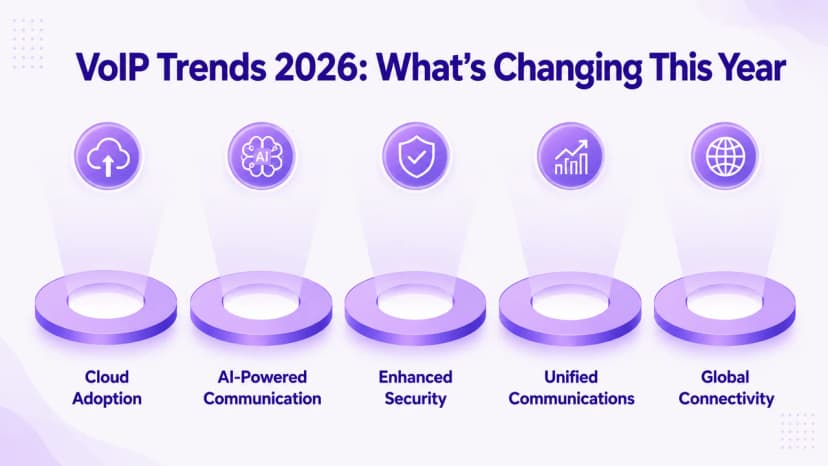
Beyond the raw numbers, the 2026 story is really about intelligence. VoIP stopped being just cheaper calling and became a smart layer on top of every conversation. This is the shift most statistics roundups miss, and it is the one that matters most.
AI Is the Defining Trend
The biggest of these trends is artificial intelligence woven into live calls. Real-time transcription, sentiment analysis, and call coaching are moving from premium extras to standard features. AI receptionists that answer, qualify, and book callers around the clock are spreading fast across business plans. Surveys of business buyers now rank AI features among the top reasons they choose one provider over another.
The Rise of Unified Communications
Voice no longer stands alone in the modern stack. The trend points toward unified platforms that combine calling, messaging, video, and CRM in one login. A full VoIP phone service now bundles all of these by default instead of billing them separately. This consolidation cuts costs and removes the hand-offs that slow teams down.
Mobile-First and Remote-Ready
Mobile usage is reshaping how VoIP gets used day to day. More calls now start on a phone app than on a desk handset, a reversal from just a few years ago. The market keeps expanding partly because one plan now covers office, home, and the road.
The Overlooked Numbers: Reliability and Security
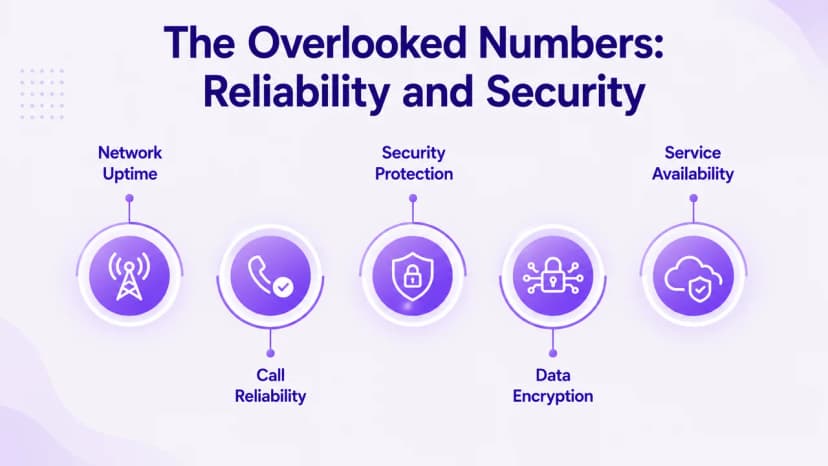
Most statistics roundups celebrate growth but skip the numbers that decide whether VoIP actually works for you. Reliability and security stats deserve a closer look, since they shape real business outcomes. This is the angle competitors rarely cover, and it is where informed buyers focus.
Uptime and Call Quality
Leading providers now guarantee 99.99 percent uptime, which means under an hour of downtime per year. Call quality has caught up too, with HD codecs matching or beating landline clarity on a stable connection. These reliability figures are why enterprises now trust VoIP for mission-critical calling that once ran only on legacy landlines.
Security and Compliance Adoption
Security adoption is rising alongside usage, and the numbers show it. Most business providers now enforce STIR/SHAKEN call authentication to fight spoofing and robocalls. Per the FCC guidelines, US voice providers are required to use this standard, and compliance is now near-universal among reputable platforms.
What the Statistics Mean for Your Business
Numbers are only useful when they guide a decision. The data tells a consistent story: adoption is high, savings are real, and the smart features are no longer optional. Waiting another year mostly means paying more and missing the AI tools your competitors already use.
Choosing a modern platform lets you capture these trends without a heavy project. A single unified cloud phone platform bundles calling, messaging, and AI so you get the whole stack in one step. Ringflow, for example, pairs carrier-grade reliability with built-in AI coaching, matching exactly what the data says buyers now expect.
Conclusion
The voip statistics for 2026 paint a clear and confident picture of where business calling stands today. The market is expanding past $170 billion, adoption tops 70 percent of US firms, and savings of 30 to 50 percent remain the norm. The voip trends 2026 add a new layer, turning simple calls into AI-powered conversations that coach reps and serve customers better. Together these numbers show that VoIP is no longer the future of business communication but the present.
The smartest move is to treat these statistics as a roadmap rather than trivia to skim. Start by matching the trends that fit your team, from AI coaching to a unified inbox, then test them on real calls. A free trial is the fastest way to see whether the numbers hold true for your own business. Ringflow makes that first step simple, so you can move from reading the data to living it in a single afternoon.
Ready when you are
Ready to turn these voip statistics into results on your own calls?
Test Ringflow's AI-powered platform against your real call volume and see the trends work firsthand.
Frequently Asked Questions
The key voip statistics are a $170 billion market, over 70 percent US adoption, and 30 to 50 percent cost savings. AI features are the fastest-growing trend this year.
Trusted figures come from research firms, industry reports, and provider disclosures. Always check the publish date, since this market changes quickly year to year.
Adoption jumped sharply after 2020, when remote work made cloud calling essential. Growth has stayed strong every year since, with no sign of slowing.
Most businesses save 30 to 50 percent on monthly phone bills after switching from landlines. International call costs often fall by 90 percent or more.
Yes, reputable providers use encryption and STIR/SHAKEN authentication to protect calls. Look for SOC 2 compliance and a clear uptime guarantee before signing up.
Yes, adoption and growth vary by region, with Asia-Pacific expanding fastest right now. Time zones do not change the data, but they shape how global teams use VoIP.
Business VoIP plans typically run $8 to $30 per user each month, billed as a subscription. There is no hardware to buy, so the monthly rate is usually your full cost.
Watch AI call coaching, unified communications, and mobile-first calling as the top trends this year. Reliability and security gains are the quieter trends worth tracking too.